After a 12-Hour Shift, Maria Needed More Than Sleep
Maria spends her days looking after other people. This is the story of the night she started looking after herself.

Maria is 41 and a nurse. Her shifts are twelve hours long, and most of them are spent on her feet, leaning over beds, reaching, lifting, writing notes at a counter that’s always slightly too low. When she gets home, her family wants dinner, conversation, help with homework. Her neck wants silence.
Key takeaways
- Going straight from a busy day to bed rarely lets your body switch off.
- A short, repeatable ritual helps you move from doing to resting.
- Warmth, dim light and slow breathing are simple building blocks.
Tired, but wired
“The strange thing is, I’m exhausted, but I can’t relax,” Maria says. She would collapse into bed, lie there with her shoulders still tight and her mind still at work, and stare at the ceiling. Some nights she’d fall asleep on the sofa with her head at an awkward angle and wake up feeling worse.
She spends her whole day caring for other people. Taking ten minutes for herself felt almost selfish. “I kept thinking: I’ll rest when everything else is done.” Everything else was never done.
What nobody tells you about long shifts
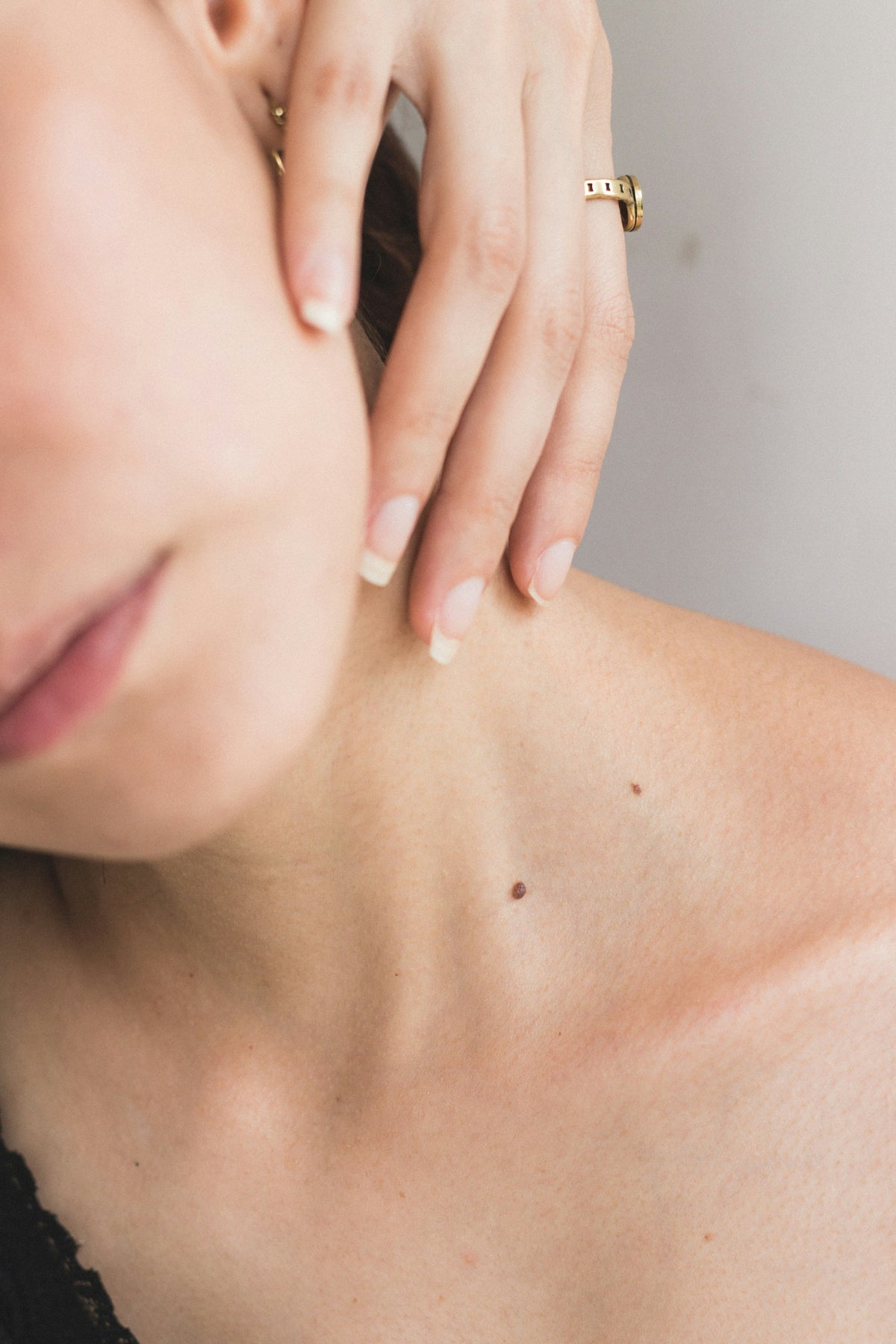
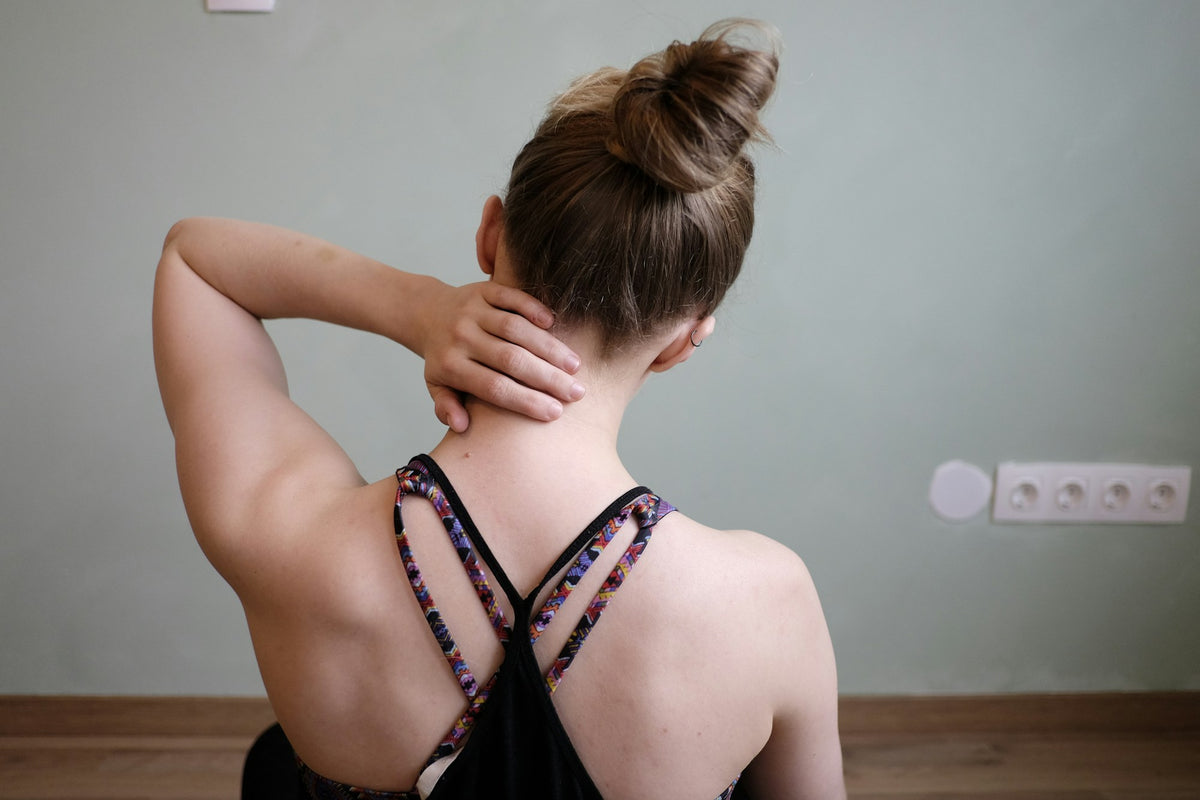
Long shifts don’t just tire your legs. They change the shape of your whole day. You eat at strange times, you sleep when the world is awake, and you carry the weight of other people’s worries home with you. For Maria, all of it seemed to collect in the same place: a tight band across the top of her shoulders and up the back of her neck.
She tried everything that was easy. Hot showers that ended too soon. A heat pack she had to keep reheating in the microwave. Stretching videos she never finished because someone always needed something. “I wanted something that didn’t need me to do anything,” she says. “I was too tired to do relaxing.”
The night she tried something different
A friend asked her a simple question: “What do you do to finish your day?” Maria didn’t have an answer. So she built one, piece by piece:
- Dim the lights about an hour before bed and switch to a warm lamp.
- A warm shower and a cup of caffeine-free tea, no phone in the bathroom.
- Ten minutes lying down with warmth behind her neck and her eyes covered.
- Slow breathing: in for four, out for six, for just a minute.
“The first night I felt silly,” she admits. “By the third night, I was looking forward to it all shift.”
The first week
The first few nights weren’t perfect. Once she fell asleep before she’d even finished her tea. Another night a phone call from work pulled her straight back into nurse mode. But Maria kept going, because for the first time in months she had something at the end of the day that was just for her.
By the end of the week, she noticed small things. She was falling asleep a little faster. She wasn’t waking up on the sofa at 2 a.m. with a crick in her neck. And on her days off, she found herself keeping the ritual anyway, not because she needed to recover from a shift, but because she liked how it felt.
“I used to think rest was something you earned once everything else was finished,” she says. “Now I think of it as part of looking after people. You can’t pour from an empty cup.”
Her ritual, at 11 p.m.
Now, when Maria walks in after a late shift, the routine is almost automatic. Shoes off at the door. Kettle on. A quick hello to her kids if they’re still awake. Then the bedroom lamp, the soft mask, and those few quiet minutes where nobody calls her name. “It’s the bridge between the hospital and home,” she says. “Without it, I bring the whole shift to bed with me.”
Her husband noticed before she did. “He said I seemed lighter,” she laughs. “I think I just stopped carrying the day around all night.”
Why rituals work
A ritual isn’t about doing more. It’s a signal. When you repeat the same calm steps every night, your body starts to recognize them as the end of the day. The best rituals are the ones that ask almost nothing of you.
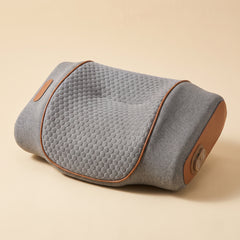
That’s why we made Avoria simple: lie back, press one button for heat, vibration or air traction, slip on the soft sleep mask that comes in the box, and let the session switch itself off. No timers to set, nothing to hold. Just a few minutes that belong to you.
Maria still works twelve-hour shifts. But now, at the end of each one, there’s something waiting for her.