Emily Carries Everyone’s Day. Her Shoulders Carry Hers
Work, two kids, a never-ending list. Emily’s story of where stress really goes, and how she learned to put it down.

Emily is 38, an accountant and a mom of two. Her days run on lists: school drop-off, client calls, groceries, homework, dinner, one more email after the kids are in bed. She is very good at carrying everyone’s day. She just never noticed where she was carrying her own.
Key takeaways
- Under pressure, many of us raise and tense our shoulders without noticing.
- Quick check-ins during the day help you catch tension early.
- Warmth, slow breathing and stillness help your body switch off at night.
“Why are my shoulders up here?”
It was her daughter who pointed it out. Emily was on a call, laptop balanced on the kitchen counter, and her seven-year-old asked: “Mommy, why are your shoulders touching your ears?” Emily laughed. Then she noticed they really were.
Stress rarely stays in your head. When we feel rushed or anxious, the body braces: shoulders lift, the jaw clenches, breathing gets shallow. Do that all day and the tension doesn’t simply disappear when the house goes quiet. For Emily, it showed up as a dull ache along the back of her neck every single evening.
The invisible load
Emily’s stress isn’t one big thing. It’s dozens of small ones running in the background. Remembering the permission slip. Noticing the milk is running low. Replying to the client who emails at 9 p.m. Planning the birthday party. Checking the weather for tomorrow’s soccer game. None of it is dramatic, and that’s exactly why it never stops.
“I don’t think I ever fully relax,” she says. “Even when I’m sitting down, part of me is still running the list.” Her body knew it before she did. Tight shoulders in the morning, a stiff neck by lunch, a headache-y heaviness by bedtime. She had started to think that was simply what being an adult felt like.
Three tiny check-ins
Emily didn’t have time for a new routine, so she picked three things that took seconds:
- Drop your shoulders. Every time she opened her inbox, she let them fall away from her ears.
- Unclench your jaw. Teeth slightly apart, tongue relaxed.
- Three slow breaths before every call, with a longer exhale than inhale.
“It’s silly how much it helps,” she says. “I just never stopped long enough to notice.”
Giving herself permission
The hardest part wasn’t finding time. It was allowing herself to use it. “When the kids are finally asleep, there’s always something else I should be doing,” Emily says. Laundry. Tomorrow’s lunches. That email. Taking fifteen minutes just to lie down felt indulgent, even lazy.
A friend reframed it for her: “You’d never tell a client to work without breaks. Why do you do it to yourself?” Emily started thinking of her evening wind-down the way she thought of a meeting: something on the calendar, not something she’d get to if there was time left.
Giving the day somewhere to go
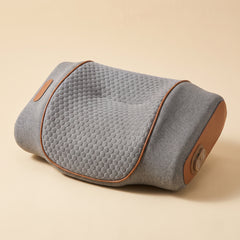
So she made the last fifteen minutes before bed hers. Lights low. Phone in another room. Lying back with warmth behind her neck and a gentle rhythm of vibration, eyes closed. “It’s the only time all day nobody needs anything from me,” she says.
A month later
Emily’s list hasn’t gotten shorter. The kids still forget their lunchboxes, clients still email at night. But the evenings feel different. She notices tension earlier in the day and lets it go before it builds up. She sleeps a little easier. And when her daughter asked the other day where her “ear shoulders” went, Emily laughed again, this time because they weren’t there.
That’s exactly the moment Avoria was made for: a simple, warm, quiet way to give the tension of the day a place to leave, even if it’s only for fifteen minutes.